Enter sitemap URL
Enter the sitemap URL (e.g. https://example.com/sitemap.xml).

Validate any XML sitemap and spot-check its URLsA broken sitemap is worse than a missing one: Search Console accepts malformed sitemaps, then quietly fails to process them. This validator checks your file against the protocol and pinpoints the exact line or URL at fault.
Validate any XML sitemap and spot-check its URLs
Enter the sitemap URL (e.g. https://example.com/sitemap.xml).
Click "Validate Sitemap" to run the checks.
Review the XML verdict, structure notes and URL sample results.
A broken sitemap silently wastes your crawl budget: search engines fetch it, hit errors, and move on. This validator parses the XML, checks the sitemap namespace and entry structure, handles sitemap indexes, and confirms a sample of URLs return 200.
Use it after generating a sitemap, after site migrations, and in regular technical SEO audits. Fix every error before submitting to Google Search Console.
Validate first, submit second.
Careful webmasters run it right after generating or regenerating a sitemap, before submitting anything to Search Console for indexing today.
Thorough post-migration audits catch sitemaps still listing old URLs that no longer exist anywhere on the site at all now.
Anyone staring at a "couldn't fetch" error in Search Console uses it to determine whether the file or the server is at fault.
After fixing validation errors, resubmit the sitemap in Search Console to shorten the feedback loop from days to hours instead.
Surgical fixes, not guesswork.
Well-formed XML, valid URL formatting, absolute URLs only, proper character encoding.
Checks that listed pages are reachable, not redirecting or 404ing.
A valid sitemap with indexing gaps points to quality or crawl-budget issues instead.
The sitemap does its job quietly in the background once it validates clean.
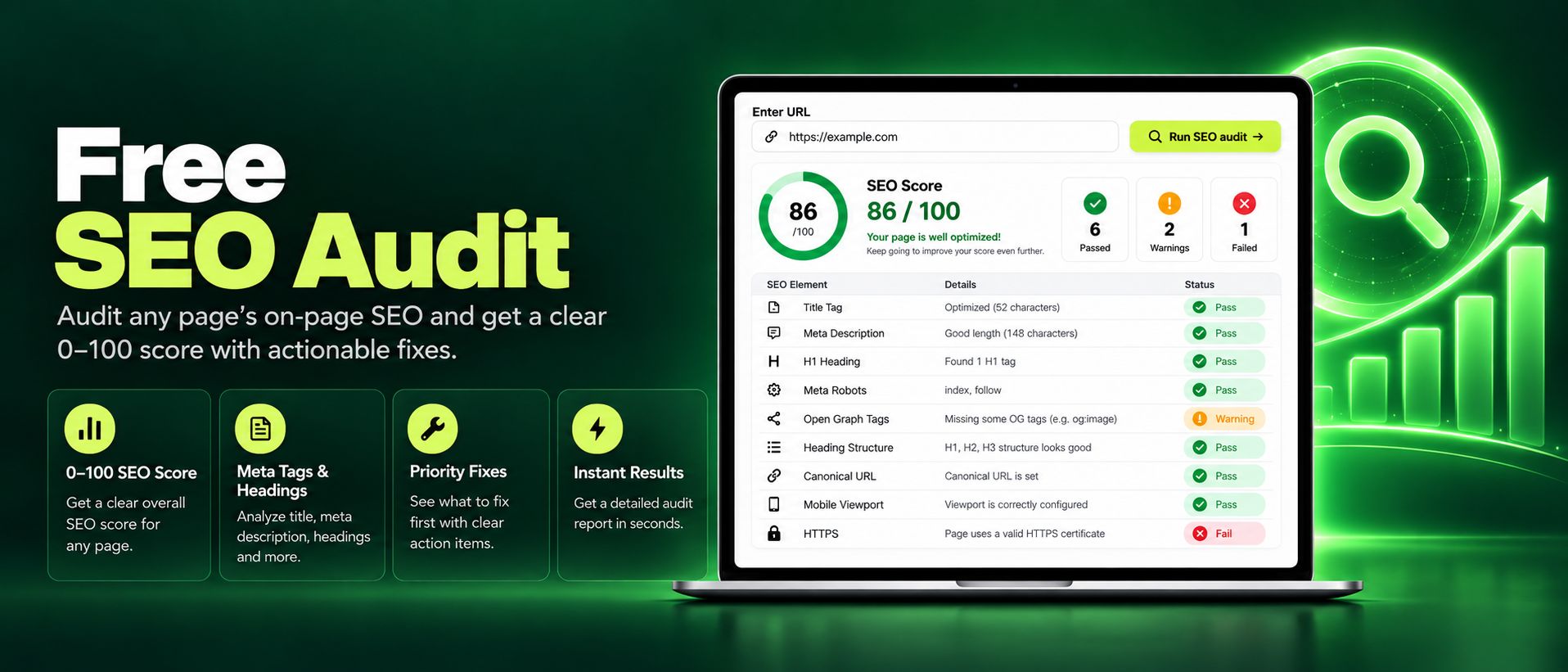
Run a free SEO audit on any page and get an instant 0 to 100 score. Check titles, meta tags, headings, images, and links, with clear actionable fixes today.
Read article →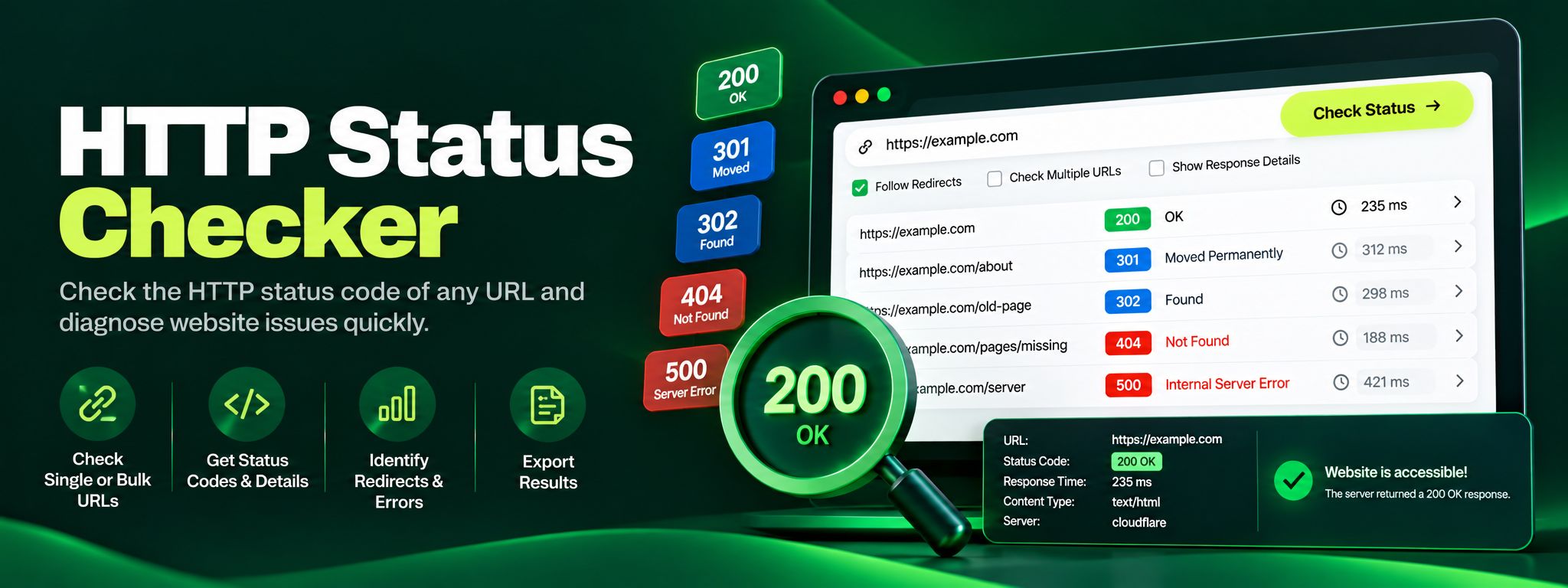
Free HTTP status checker. Check any URL's status code, trace redirect chains hop by hop, and fix 404, 301 and 500 errors before they silently hurt your SEO.
Read article →